

Who Gets The Money In Us Health Care Profits
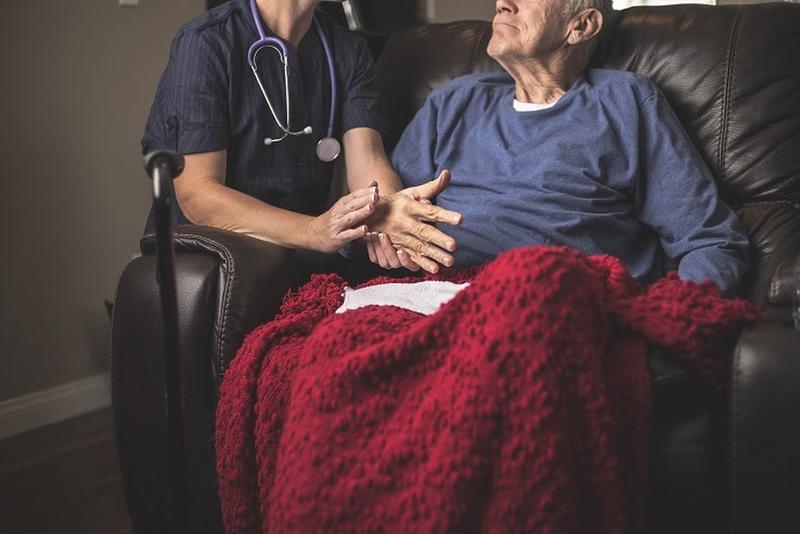
If yous or someone you lot honey has been diagnosed with a terminal illness, it's natural to worry and wonder virtually what kind of medical intendance will be needed in the final months of life. Depending on the disease and the estimated fourth dimension remaining, hospice intendance may be an choice. The term really covers a range of care methods, usually depending on the wishes of the patient and the immediate family, although some illnesses may require very specific types of care. Care examples include professional care provided effectually the clock at dwelling and professional care provided at a hospice care facility.
Regardless of the specifics, the primary purpose of hospice care is to brand the patient equally comfortable as possible in the final days, weeks or months of life. However, to receive this much-needed assistance, patients must meet a certain level of medical need based on specific requirements. Here's what you need to know almost the different types of hospice intendance, including information about the requirements for inpatient facilities and payment.
Breaking Down the 4 Types of Hospice Care
Hospice care actually includes four different types of care designed exclusively for terminally ill patients — usually those with half-dozen months or less to live. Families don't necessarily choose a care blazon based on the seriousness of the patient's current condition. In many cases, the patients are seniors with Medicare insurance, and their insurance may dictate the blazon of care that is covered by the policy. In other cases, specific wellness conditions may require a specific type of care to go on the patient comfy.

Level one hospice care is routine home care that allows the patient to remain at home with family. A skilled nurse or hospice worker visits regularly to provide help with personal care and make sure the patient is comfortable. The provider may also offer boosted services, such equally speech therapy, occupational therapy or concrete therapy, to help make day-to-solar day life more comfortable.
Level two hospice care involves continuous dwelling house care for anywhere from eight hours a day to the full 24-hour period. During these periods, at least 50% of the patient'due south care is provided by a nurse. Families sometimes alternate betwixt level one and level two hospice care as the patient'due south need for care improves or worsens.
Level 3 hospice intendance refers to care that takes place in an inpatient setting at a hospice care facility. The care needs of a level 3 hospice patient may be like to those of a level ii patient, such equally help with severe pain, nausea and vomiting, shortness of breath, anxiety and panic, or other issues that are harder to care for at abode.
Level iv hospice care is respite care that occurs when a family unit temporarily admits a patient to an inpatient facility to give family members who are interim as primary caregivers a pause. It could exist that the family can't intendance for the patient for a fourth dimension due to another crisis or for personal reasons. This level of hospice care mostly has more to do with the family unit than the patient, just it does benefit the patient by providing ongoing care when their family tin can't do information technology themselves.
Paying for Hospice Care Coverage
Regardless of the type of hospice care chosen past your family unit, the intendance will be too costly for most people to pay the full expense out of pocket. Patients who are older than 65 should exist receiving Medicare insurance benefits. Medicare Part A (hospitalization insurance) includes a Medicare Hospice Benefit to help cover costs for patients officially diagnosed as terminal by a physician.

Patients who have served in the military can use Veterans' Assistants (VA) benefits to pay for hospice care. Those with low income and minimal resources may qualify for Medicaid insurance benefits to aid pay for services. Medicaid eligibility varies by state and must be applied for through the state. Individual insurance frequently includes provisions for hospice intendance, but this coverage can vary equally well.
Qualifying for Inpatient Hospice Care Services
As patients arroyo the end of their lives — particularly those who suffer from some form of dementia similar Alzheimer's disease — they are often more comfortable in their own homes. For that reason, level 1 and level ii hospice intendance are usually preferred over inpatient services, just if a patient's health begins to deteriorate chop-chop and the nurse or the patient'southward family can't properly provide comfort and care at home, then the patient should be moved to an inpatient setting.
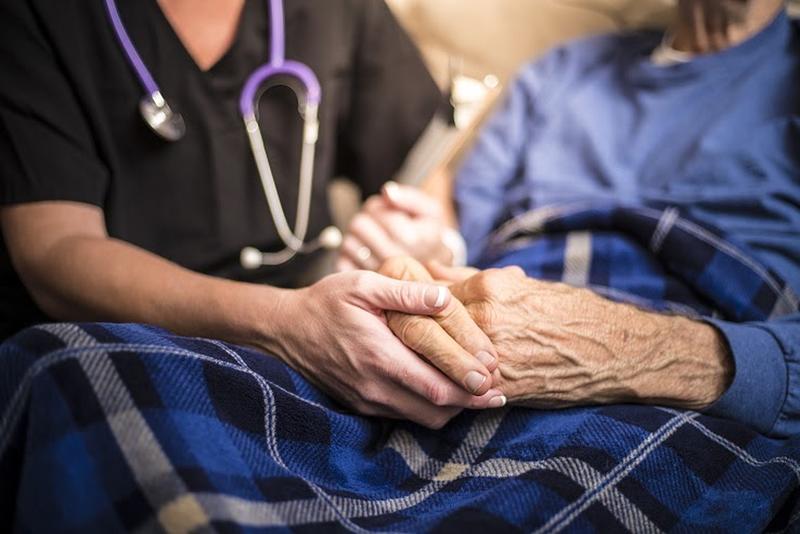
In general, a patient needs to be experiencing serious health complications to qualify. Examples include situations with uncontrollable pain, respiratory distress, uncontrollable seizures, acute feet, severe low, progressive delirium or a need for intravenous (IV) medications. In some cases, the symptoms could be temporary, with patients but needing inpatient treat a curt menstruum of fourth dimension. In those cases, they may be able to consummate hospice care back in their domicile environment for maximum condolement.

Source: https://www.symptomfind.com/healthy-living/health-requirements-at-hospice-care-facilities?utm_content=params%3Ao%3D740013%26ad%3DdirN%26qo%3DserpIndex
Posted by: hernandezworign1986.blogspot.com
0 Response to "Who Gets The Money In Us Health Care Profits"
Post a Comment